
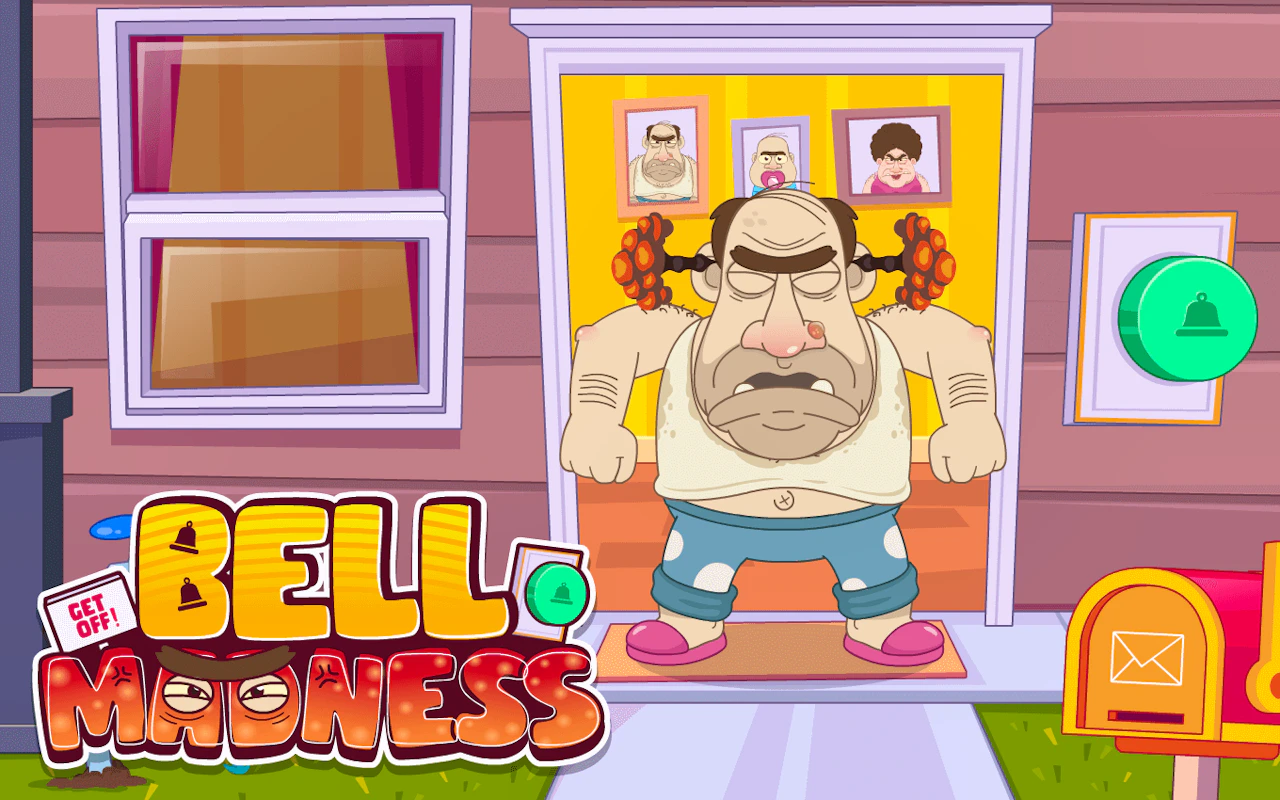

About Bell Madness
The standout feature of Bell Madness is how it distills complex Fun elements into an incredibly intuitive interface. You are immediately thrust into a sequence of evolving challenges that test both your reflexes and your analytical thinking. Instead of relying on artificial difficulty spikes, the game introduces overlapping mechanics that force you to reconsider your established tactics. The crisp art style and responsive controls eliminate any sense of frustration. It provides a deeply satisfying loop of continuous improvement and adaptation.
How to play
Success in this system hinges on your ability to predict the trajectory of incoming elements and intercept them effectively. You use the directional inputs to manipulate the environment to your advantage. A mistake a new player typically makes is reacting to obstacles only after they have crossed into the immediate danger zone. Proactive positioning is strictly required, as reactive playing leaves you without enough time to recover your balance.
Tips
- Break complex formations down into smaller, manageable sections rather than attempting to clear the entire board at once.
- Monitor the subtle audio cues which often trigger a split second before a new major threat appears.
- Keep your movements tight and conservative to reduce the recovery time between your active inputs.
Who it's for
Geared heavily towards a desktop-first audience, the complex inputs make it ideal for prolonged gaming sessions at a proper workstation. It targets intermediate veterans who thrive on precision and deliberate planning. If this intensive format appeals to you, consider looking into Canjump or exploring the mechanical depth of Monster School Challenges.