
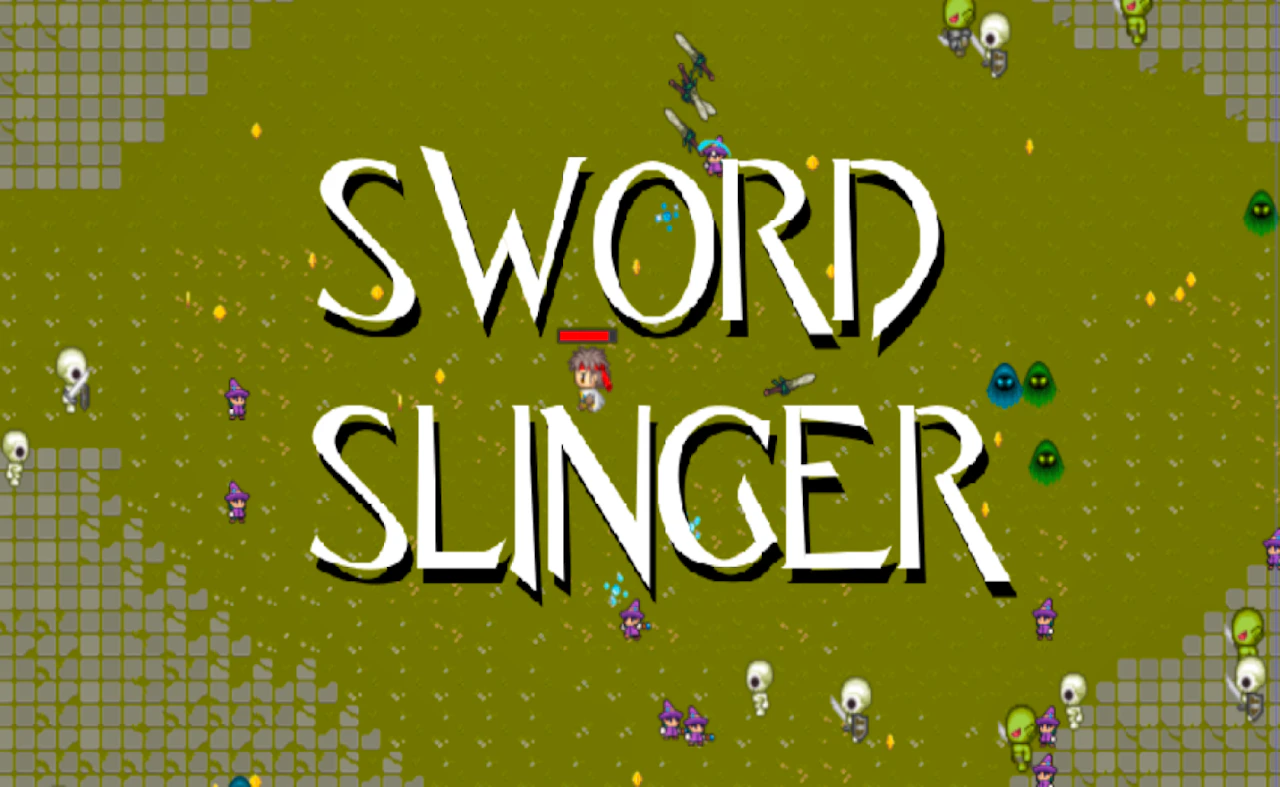
About Sword Slinger
The action genre is crowded with familiar mechanics, but Sword Slinger brings a distinct energy. Rather than relying on standard progression tropes, this release demands a careful balance of timing and awareness. Players will notice that the underlying systems are elegantly simple, stripping away unnecessary complexity to emphasize the core interaction loop. It creates a rhythm that feels rewarding, setting a specific mood that keeps the momentum going. You are constantly evaluating the board and making rapid decisions.
How to play
Progressing deeper requires a solid understanding of how the different on-screen elements interact. Your goal is to find a comfortable rhythm that carries you safely through the shifting obstacles. A frequent mistake a new player makes is overcorrecting their trajectory, draining their available space and ruining their established flow.
Tips
- Build a strong foundational position in the opening moments so you have room for error.
- Ignore your current score completely and focus purely on mastering the primary interaction loop.
- Take regular breaks if you find your reaction times slowing down during longer sessions.
Who it's for
Designed for short five-minute bursts, this experience is designed as a desktop-first experience and welcomes players from all skill backgrounds. Fans of this gameplay rhythm will likely appreciate the structure found in DTA 6 as well. Furthermore, Speakerman Revenge offers a complementary style of progression that builds upon these same foundational concepts.